The first time someone asks if you’re tired when you slept well, it is usually not about your energy, it is about your face. Early signs of aging do not arrive all at once. They sneak in as faint forehead etchings that linger after expressions, 11 lines between the brows, tiny crow’s feet that catch makeup. This is the territory where Botox shines when used deliberately. Not a frozen mask, not a facelift shortcut, but a precise tool for softening repeat muscle contractions that engrave lines into skin over time.
I have treated thousands of faces with small, strategic doses over the years, and the same pattern holds: prevention is less about chasing trends and more about patient selection, smart mapping, and restraint. When it is done well, friends say you look rested, not “done.” When it is overdone, strangers can tell something is off, even if they cannot name it. The difference lives in the details of anatomy, dosage, and timing.

What “preventative Botox” really means
Botox cosmetic is a neuromodulator. It temporarily relaxes the communication between nerve and muscle, so the muscle cannot contract as strongly for a while. The initial “Botox results” people notice after a first treatment are smoother skin when they frown, squint, or raise their brows, with the bonus of softer baseline lines at rest after a couple of weeks. For early aging prevention, the goal is more specific: lighten the repetitive motion that etches static wrinkles before they settle in as permanent grooves.
That is why you will hear terms like baby Botox, micro Botox, and mini Botox. They describe a philosophy more than a brand: lower units across targeted points to mute, not erase, movement. I often use half to two thirds of the standard dosing for a first time Botox appointment when the lines are faint, then adjust based on how the face behaves. If you are under 35 with fine lines, you likely need less than someone who has had a decade of deep frowning.
Preventative Botox does not stop aging. It reduces one mechanism of aging - repeated creasing from strong muscles. Skin quality, collagen loss, sun exposure, sleep, stress, and hormones are still in the room. When patients understand this, expectations stay realistic and satisfaction stays high.

Where early signs usually show, and how I spot-treat them
The upper face is typically first. Think of three main muscle groups: the frontalis that lifts the brows and forms horizontal forehead lines, the corrugators and procerus that pull the brows inward and down creating glabellar 11 lines, and the orbicularis oculi that squeeze the outer eye and generate crow’s feet. A careful Botox procedure targets one or more of these groups while preserving balanced expression.
Forehead lines are tricky because the frontalis is the only elevator of the brows. Too much Botox on the forehead, without addressing the frown muscles below, often causes heavy brows. With early lines, I use a lighter grid across the top half of the forehead, spare the lower third, and soften the glabella slightly so the person does not fight the treatment with an overactive frown. The result: Botox for forehead lines that still allows lift, with fewer horizontal creases when you emote.
For frown lines, a few well-placed units into the corrugators and procerus relax that scowl signal most people do unconsciously. This is Botox for glabella or 11 lines. The change can be subtle but socially noticeable; patients report fewer “Are you upset?” comments. It also pairs well with a conservative Botox eyebrow lift when the tail of the brow needs a hint of elevation. That lift is a game of balance, allowing the lateral frontalis to work a bit more freely by calming the brow depressors.
Crow’s feet respond beautifully to small units of Botox around the eyes. I avoid over-smoothing because the smile read around the eyes is precious. Early dosing focuses on the outer two to three points per side, not the under-eye. With the right touch, Botox for crow’s feet softens crepe-like lines without making the eye look flat.
Occasionally, early aging shows in more localized areas: a subtle gummy smile from a hyperactive upper lip elevator, bunny lines along the nose, a dimpling “peau d’orange” chin from a strong mentalis, or faint vertical lip lines that catch lipstick. These are classic spot-treat areas for small units. Botox for bunny lines takes two to three tiny points along the nose. A Botox lip flip uses a few units at the border of the upper lip to relax inward curl, creating a slightly fuller look without filler. A touch in the DAO muscle can soften a downturn in the corners, offering a gentle smile lift. Each of these is measured in drops, not teaspoons.
The art of dosage: how little is enough
If I had to reduce good preventative Botox to a single line, it would be this: start low, map movement, adjust after two weeks. The first pass establishes how your muscles respond. Some people metabolize faster, some need symmetric doses to correct asymmetric habits, and some feel heavy after even small amounts in the forehead. A follow-up within 10 to 14 days allows for a touch up if needed.
For context, common early dosing ranges look like this: glabella 8 to 12 units, forehead 6 to 10 units, crow’s feet 6 to 10 units per side, bunny lines 2 to 4 units, lip flip 4 to 6 units, chin dimpling 4 to 8 units. Masseter reduction for jawline slimming is a different conversation, often 20 to 30 units per side to impact jaw clenching, teeth grinding, and facial slimming. That is not preventative in the same sense, but it is a valid functional and aesthetic treatment for some.
These numbers vary by product and individual. I tailor to muscle thickness, brow position, gender, and expression habits. Photos help, but movement matters more than the static “before.” I ask patients to frown, smile, squint, and lift brows in the mirror with me so we agree on what to keep and what to quiet.
What results to expect and how long they last
Botox effects start to show in three to five days, reach a peak around 10 to 14 days, then slowly soften over three to four months. In the early prevention setting, some people get two to three months of noticeable smoothing, others get closer to four. The more conservative the dose, the shorter the Botox longevity tends to be. Lifestyle affects duration: high-intensity workouts, fast metabolism, and active faces burn through it faster.
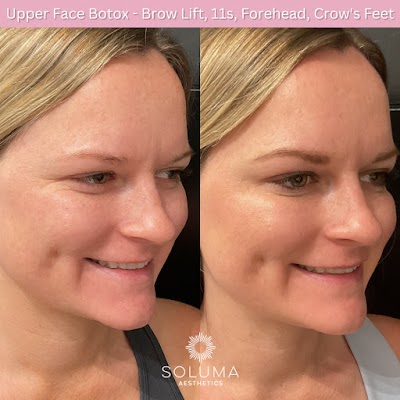
The “Botox before and after” that matters for prevention is not dramatic. It is the faint crosshatch on the forehead that does not dig deeper by 5 pm, the 11s that no longer shadow your resting face, and the crow’s feet that do not stamp every laugh. Translating that into photos can be surprisingly hard. Good practitioners rely on both pictures and your lived experience, because many of the benefits are felt in how makeup sits and how you look in candid light.
If you want a natural look that still shows expression, tell your injector you want subtle results and are open to staggered dosing. Most people appreciate a softer first round and a small touch up rather than a heavy hand up front. Your face should look like you on your best week of sleep.
Safety, risks, and the edge cases I watch for
Botox safety record is strong when used correctly, but it is still a drug with real risks. The common short-lived side effects: pinpoint redness, mild swelling, small bruises at injection sites, a dull ache or slight headache, and temporary eyelid heaviness if doses are too low on the forehead and not balanced with the frown muscles. True eyelid ptosis from diffusion into the levator muscle is uncommon but memorable. It usually resolves in two to six weeks. Careful placement and post-treatment guidance reduce that risk.
People with neuromuscular disorders, certain autoimmune conditions, or who are pregnant or breastfeeding should generally avoid cosmetic Botox. If you have a history of keloids, unusual bruising, or are on blood thinners, disclose it. I ask about prior Botox and filler, history of migraines, jaw clenching, and even how you sleep. Side sleepers with heavy facial compression sometimes show asymmetric results, and we plan around it.
The under-eye area tempts both patients and trend videos, but Botox under the eye can cause unnatural smile dynamics and creasing lower down. For true under-eye hollow or etched lines, I am more likely to recommend skincare upgrades, energy devices for skin tightening, or a light filler when appropriate, not more neurotoxin.
The appointment, step by step
A good Botox consultation reads more like a mini facial exam than a sales pitch. I check brow position, forehead height, skin thickness, and how high your brow goes when you talk. I palpate the corrugators, watch how your eyes crinkle when you smile, and look at your chin when you focus. We mark a few points with a cosmetic pencil, clean with alcohol, and sometimes apply a chill stick for comfort.
The injections themselves take five to ten minutes. Most people describe a quick pinch and a mild pressure. There is no true downtime in the medical sense, but I call the first four to six hours “quiet time.” Avoid laying flat, strenuous exercise, and rubbing the treated areas. Skip saunas that day and keep your skincare simple. You can apply makeup after 20 minutes, but dab, do not drag. Bruises, if they occur, can be covered and usually fade within a few days.
Aftercare is low drama. Sleep on your back the first night if possible. Resume usual skincare the next day. Avoid facial massage or very tight hats for 24 hours. If a small lump appears, it is almost always a micro bleb of fluid that settles by the next day.
Cost, value, and how to plan a budget
Botox cost varies by region, injector expertise, and whether the clinic charges per unit or per area. In most cities, the Botox price per unit ranges from the low teens to the high twenties USD, with experienced aesthetic clinics clustering in the mid to high range. For preventative, low-dose treatments, the total is often less than a full corrective treatment, because you are using fewer units. A subtle forehead and glabella approach might land between $200 and $450 depending on units and local pricing, while adding crow’s feet can bring the total to $350 to $700. Masseter reduction is usually higher because it requires more units per side.
When comparing clinics, avoid chasing the lowest number on a sign. Product authenticity, sterile technique, and an injector who understands facial dynamics matter far more than a small price gap. Ask what product is being used, whether they rotate stock to maintain potency, and how they handle touch-ups. A transparent Botox review and photo policy is a good sign that the practice is proud of consistent outcomes.
Maintenance and timing for touch-ups
Botox duration is finite by design. A typical maintenance rhythm is every three to four months, but it can be customized. Some patients prefer “peak and fade” schedules lined up with seasons or events. Others like to keep a steady baseline with smaller, more frequent visits. If you start early and stick to modest doses, the muscles can weaken slightly over time, and you may find you need fewer units to maintain the same look. That is not guaranteed, but I see it often for glabella and crow’s feet.
Touch-up timing is a practical art. I like to reassess two weeks after a new plan and offer a small Botox touch up if movement is uneven. After that, I recommend scheduling the next appointment at the three month mark and then adjusting based on your lived-in results. If you present at 10 weeks still happy, we push to 12. If you are a runner who metabolizes fast, we may bring you in at 10 weeks. The right interval is the one that fits your biology and calendar without whiplash between smooth and expressive.
When Botox is not the answer, or not the only answer
Early aging has multiple causes, and Botox addresses one. If your first signs are more about texture, pores, or oil, consider pairing micro Botox or baby Botox with medical skincare and energy-based treatments. For example, a patient with oily skin and enlarged pores along the T zone may benefit from botulinum diluted superficially in tiny droplets - sometimes called micro Botox - combined with a retinoid and a series of light fractional treatments. It reduces oil output and gives a polished look without flattening expression. It is not a replacement for good skincare, but an adjunct.
If you already have etched-in forehead lines at rest, Botox relaxes the muscle but may not fully iron the skin. In those cases, I pair neuromodulators with biostimulatory skincare, light resurfacing, or a conservative filler for static lines only after movement has been controlled for a cycle. For smokers’ lines around the mouth, microdroplets of Botox can help with lip lines, but laser or microneedling often delivers more durable smoothing. For sagging skin, Botox is not a skin tightening tool. It can create lift illusions by releasing certain muscles, but true laxity responds better to ultrasound, radiofrequency, or surgical options. Honest guidance here prevents disappointment.
Special cases: masseter reduction and neck bands
Botox for masseter reduction serves two masters: function and contour. If you clench or grind, the masseters enlarge like any overworked muscle, squaring the jaw and sometimes flaring the lower face. Relaxing them reduces jaw tension and reshapes the jawline over several months as the muscle de-bulks. It is not a single-session magic trick and often takes two to three rounds spaced three to four months apart to see maximal slimming. It is popular for facial slimming and can be life-changing for teeth grinding discomfort when coordinated with a dentist.
Vertical neck bands - the platysmal bands many notice in selfies - respond to a series of small injections along the band path. This softens the pull on the lower face, subtly improves jawline definition, and is sometimes nicknamed a “Botox facelift alternative.” It is best for mild cases and pairs well with skin-tightening devices for more noticeable lift. Expect modest improvements, not surgical outcomes.
Crafting a natural look, not a frozen face
The fear of the frozen forehead is justified when dosing ignores balance. The frontalis lifts the brows, the glabella pulls them down, and the lateral brow position is the fulcrum of your expression. If you shut the elevator down without quieting the depressors, the face compensates, and you feel heavy. If you quiet everything too much, you look smoothed but not like yourself.
The path to a Botox natural look has three pillars. First, respect baseline brow position. Low set brows need extra caution on the forehead. Second, preserve lateral movement around the eyes to keep a genuine smile. Third, favor micro-adjustments. Most patients do best with minor tweaks over two visits rather botox Orlando FL than a maximal first session. Documenting your Botox results at each visit builds a playbook for your face. Over time, the plan becomes routine, and so do the compliments.
Comparing Botox to alternatives
Neuromodulators are not the only aesthetic treatment for early lines. Retinoids, sunscreen, antioxidant serums, and consistent hydration move the needle more than any single clinic visit. Light fractional lasers and microneedling remodel collagen. Fillers replace volume, not movement, and shine in the midface when early deflation shows. For forehead and crow’s feet, though, Botox for wrinkles is unmatched at reducing movement-driven creasing. If you must choose one intervention for expressive lines, choose the one that addresses the cause.
There are also different neuromodulator brands. They share the same active ingredient class, with small differences in onset and spread. The practical differences for prevention are minor compared to injector skill. Choose the professional first, the product second.
What a first-time patient should ask
Use your consultation to get specific. Ask how many units they recommend and why. Ask where they plan to inject, and what they are trying to preserve as well as what they want to soften. Ask about expected Botox duration and how they handle touch-ups. Inquire about Botox side effects they see most often in their practice and how they manage them. If you are considering a Botox lip flip or gummy smile correction, ask them to show examples of subtle results rather than dramatic ones. Good injectors welcome informed questions and should be able to explain decisions in plain language.
A realistic timeline for early prevention
Someone in their late 20s with faint forehead and frown lines might start with baby Botox twice a year. If the creases deepen in their early 30s, they may move to three sessions per year or slightly higher doses. By their late 30s, maintenance becomes routine, with occasional adjustments based on life changes, stress, or skincare improvements. The arc does not have to lead to more and more. I have plenty of patients who sit at the same conservative plan for years because it matches their goals and biology. Early aging prevention with Botox is more about consistency than intensity.
Final notes on judgment and restraint
The best Botox benefits compound when paired with common sense. Protect your skin from the sun. Use a retinoid at night unless contraindicated. Manage stress where you can, sleep decently, and hydrate. These are not platitudes, they change the canvas. Neuromodulators are the brush that smooths motion lines, not the paint that covers every flaw.
When I review before and after images with long-term patients, the win is not just a smoother brow. It is the fact that their lines at 40 look like their lines at 32, even in expressive light. That is the quiet success of preventative Botox. It is not loud or viral. It is you, a little more rested, with your favorite expressions intact.
For those who want a short, responsible plan: schedule a Botox consultation with a clinician who evaluates movement thoroughly, start with conservative dosing in the glabella and upper forehead, add crow’s feet only if lines persist with expression, and reassess at two weeks. Treat two to three times yearly while you monitor how your skin ages. If another treatment would address your concern better, a good clinician will steer you there. That judgment, more than any single trick, is what keeps faces fresh and believable.
Below is a simple, practical checklist you can bring to your appointment to keep the conversation focused.
- Your top two expression concerns in a mirror: name them and show them. What movement you want to keep: raise brows, smile lines you like, or brow lift goals. Any history of headaches, jaw clenching, prior Botox or filler, and how you reacted. Your timeline and budget for Botox maintenance, including touch-up preferences. Deal-breakers: heaviness of brows, too-smooth forehead, or any prior side effects.
Used this way, Botox anti aging treatment is not a trend. It is a measured, maintainable approach to the first signs of aging, one small decision at a time.